Product
Home
About
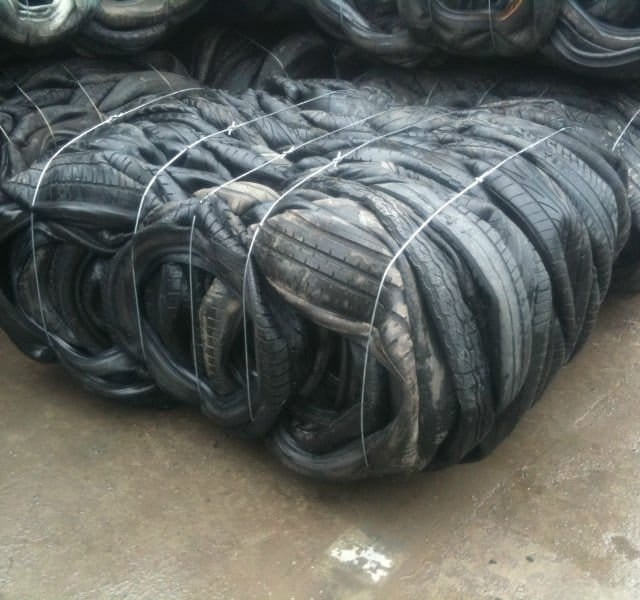
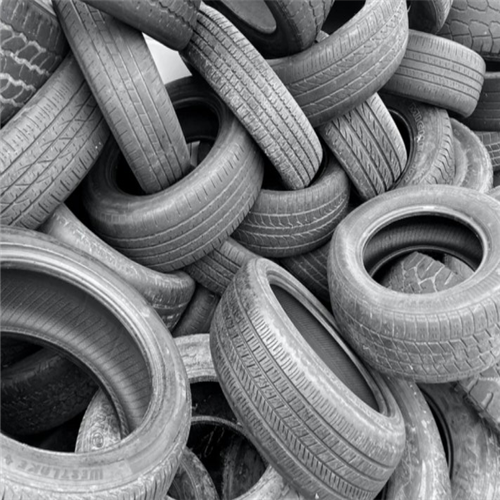
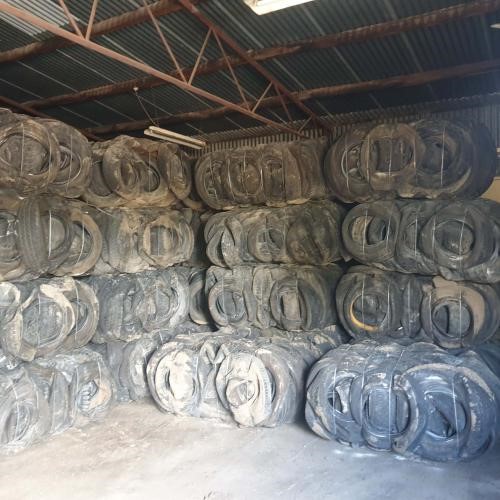
Tyre Business of Topson Global Enterprises
- Used Tyres - PCR
- B- Grade Tyres – PCR & TBR
- new Tyres from Thailand – PCR & TBR
- TBR Tyres – Used & New Tyres
Their unit price is 20%-30% lower than A-grade tires, with extra discounts for bulk purchases. While tread hardness and noise reduction slightly lag behind premium brands, they excel in load-bearing capacity and abrasion resistance, ideal for Passenger Car, small trucks, and similar applications.
https://www.petromaxtyre.com/What-to-Look-for-When-Buying-Used-Tires_279.html
Introduction: Why Used Tires Are Gaining Global Attention
According to industry research, the global tire recycling and reuse market exceeded USD 7 billion in 2024, with used and re-treaded tires accounting for a significant share, especially in Africa, Southeast
Asia, the Middle East, and parts of Europe. For buyers, used tires can reduce costs by 30–60% compared to new tires, while still offering reliable performance—if selected correctly.
However, not all used tires are created equal. Poor-quality used tires can lead to safety risks, shorter lifespan, and hidden costs.
Understanding the Used Tire Market
1. What Are Used Tires?
Used tires (also known as second-hand tires) are tires that have been previously mounted on vehicles but still retain sufficient tread depth, structural integrity, and usability. Unlike scrap tires, used tires are reusable without retreading.
2. Market Demand and Applications
Used tires are widely used in:
- Passenger vehicles (PCR)
- SUVs and light trucks
- Truck & Bus Tires (TBR)
- Industrial and agricultural vehicles
- Export markets with cost-sensitive consumers
Key Factors to Check When Buying Used Tires
1. Tread Depth: The First Safety Indicator
Tread depth determines traction, braking performance, and water evacuation.
- Recommended minimum for used tires: ≥ 3 mm
- New passenger car tires typically start at 7–8 mm
- Below 2 mm significantly increases accident risk
Tire Performance vs Tread Depth
2. Tire Age: DOT Code Matters
Even if tread looks good, rubber degrades over time due to oxidation and UV exposure.
- Industry best practice: Used tires should be no older than 5 years
- DOT code reveals production week and year (e.g., DOT 3521 = Week 35 of 2021) Tire Aging Impact on Performance
3. Structural Integrity: Inside and Outside Inspection
- Sidewall cracks or bulges
- Exposed cords or steel wires
- Previous improper repairs
- Deformation or bead damage
4. Tire Type and Matching Application
Common Used Tire Categories
|
Tire Type
|
Typical Application
|
|---|---|
Always match:
- Load index
- Speed rating
- Tire size
- Road conditions
Compliance and Certification: A Critical Buying Criterion
International Standards to Look For
|
Standard
|
Applicable Market
|
|---|---|
Compliance ensures:
- Legal importation
- Minimum safety requirements
- Market acceptance
Cost vs Value: Understanding True Savings
|
Tire Age
|
Purchase Cost
|
Estimated Lifespan
|
|---|---|---|
To learn about the purchase price of used tires, please see this article: How Much Are Used Tires? A Complete Guide
Ferrous Scrap
Heavy Melting Steel (HMS)
Ferrous scrap is any discarded or recycled material primarily composed of iron and steel.
Distinguished by its magnetism and durability, ferrous scrap is the most commonly recycled
Ferrous metals are used in a vast range of products, and their scrap is often categorized
based on its source and composition.
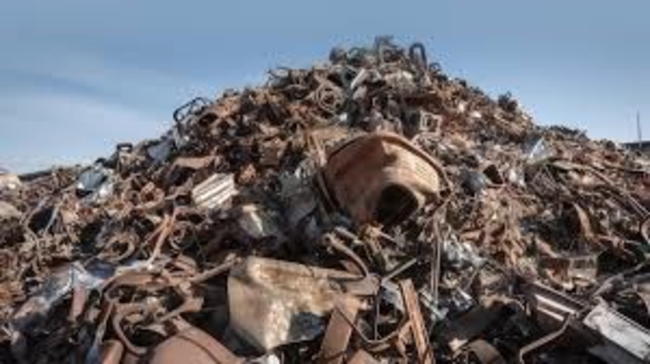
Heavy Melting Steel (HMS):
Comes from thick, heavy steel such as beams and industrial equipment from construction and demolition.
Cast Iron Scrap:
Recycled cast iron from automotive parts, machinery, and cookware.
Auto Scrap:
Vehicles that have been salvaged for their steel and iron content.
Industrial/Prompt Scrap:
Leftover metal from manufacturing processes and factory production.
Light Metal Scrap (LMS)
Non-Ferrous Scrap
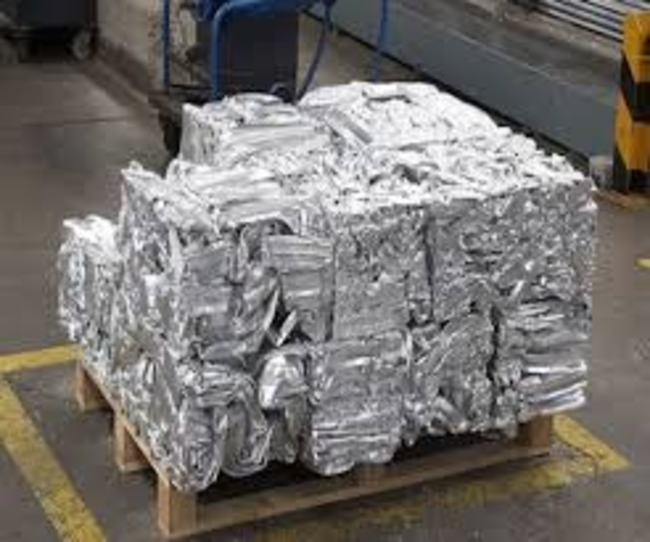
Aluminium Scraps
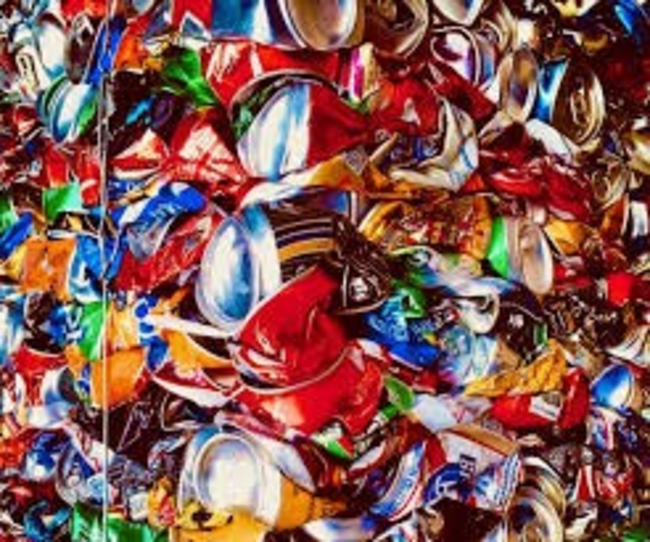
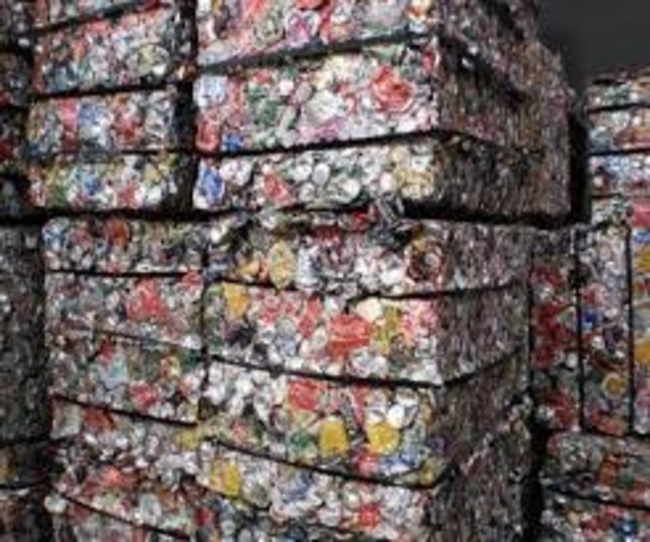
Aluminium UBC, or Used Beverage Container, refers to the
high-quality Aluminum scrap collected from recycled drink cans. This post-consumer
material is a highly valuable commodity in the recycling industry due to its purity and
endless recyclability.
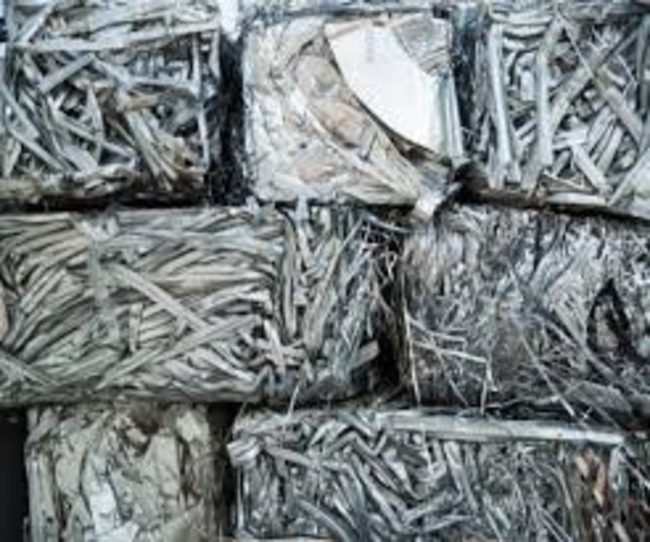
Aluminium Extrusion 6063
Material composition
The material is based on the 6063 Aluminum alloy, known for its corrosion resistance and good surface finish.
Main elements
Silicon (Si) at 0.20–0.60% and Magnesium (Mg) at 0.45–0.90%.
Contaminants
Iron (Fe) content should be a maximum of 0.35%, with other elements like copper, zinc, and manganese also tightly controlled.
International standards
The Institute of Scrap Recycling Industries (ISRI) specifies grades for Aluminum scrap, and the code for 6063 extrusion scrap is TATA
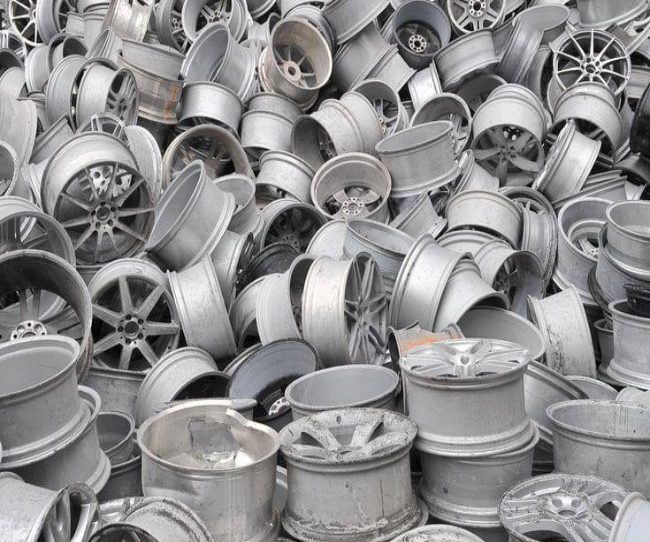
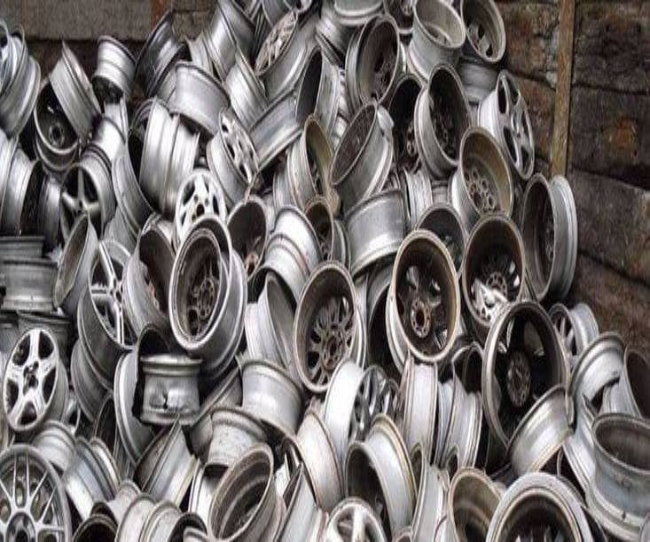
Aluminium Alloy Wheels
Aluminium Casting Scrap
Clean casting scrap:
This is free of contamination like paint, steel, or non-metallic parts. Because it requires minimal processing, it is one of the most valuable grades.
Dirty or mixed casting scrap
This contains non-metallic components like steel bolts or rubber bushings, or has been painted or coated. It must be sorted and cleaned before being recycled, which lowers its value.
Diecast scrap
This is generated specifically from die-casting operations and includes defective products or off-cuts. Its alloy content can vary significantly depending on the industry.
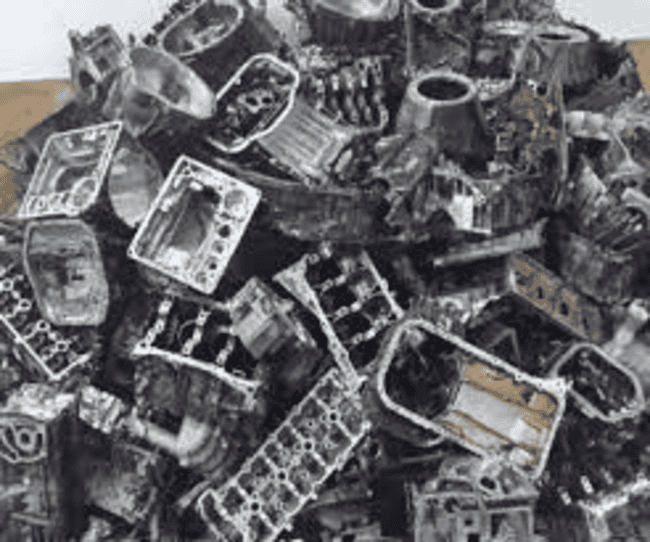
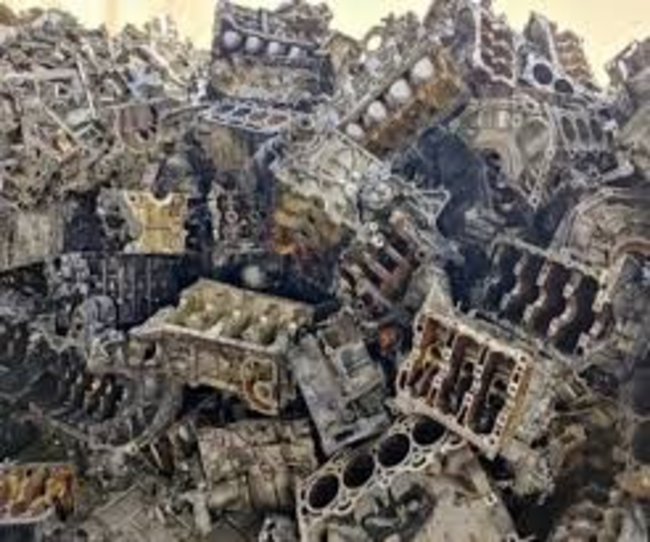
Automotive scrap
A significant source of casting scrap is discarded vehicle parts, such as engine blocks, cylinder heads, and transmission cases.
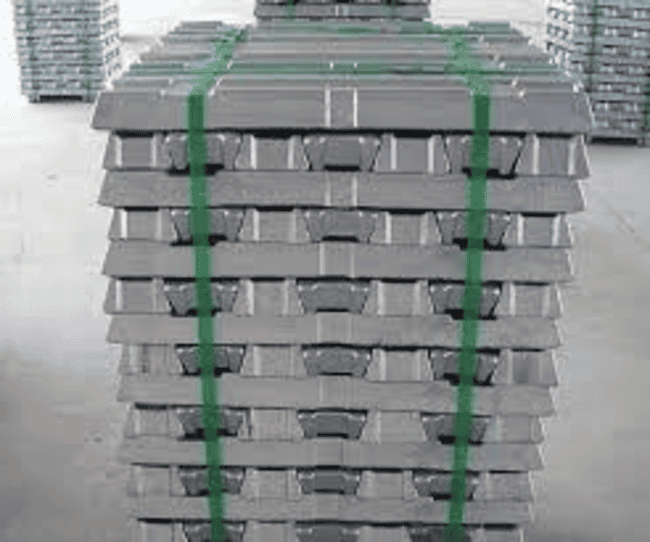
Aluminium Ingots – A7 Grade
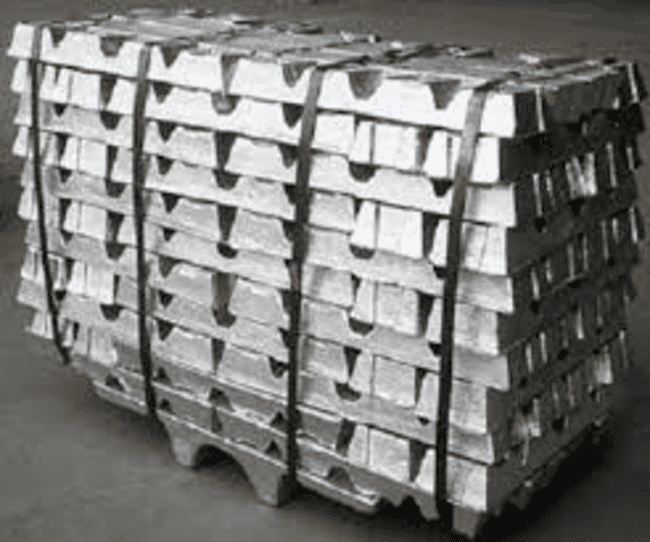
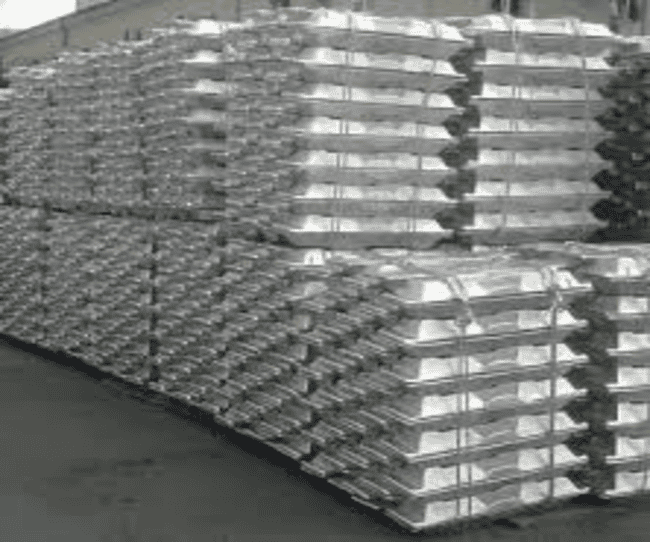
High purity
A minimum of 99.7% Aluminum content with very low levels of impurities like iron (Fe) and silicon (Si).
Lightweight
Like other Aluminum products, A7 offers a high strength-to-weight ratio, which is crucial for reducing mass in manufacturing applications.
Corrosion resistance
Aluminum naturally forms a protective oxide layer that shields the metal from the elements, ensuring long-term durability.
High thermal and electrical conductivity
These properties make A7 suitable for components requiring efficient heat dissipation or electrical transmission.
Recyclability
Aluminum is highly sustainable and can be recycled repeatedly without a loss in quality, making A7 an environmentally friendly choice.
Malleability and formability
The material can be easily shaped and formed for various manufacturing processes.
Copper Cathode
Production process
The production of copper cathodes involves several stages, which differ depending on the type of copper ore (sulphide or oxide).
Mining and concentration
Copper ore is first extracted from a mine, crushed, and ground into a powder. The copper-containing minerals are then concentrated into a slurry.
For oxide ores (hydrometallurgy):
1) The concentrated ore undergoes leaching, where a weak acid solution dissolves the copper content.
2) The resulting copper-rich solution is then treated in a process called electrowinning. An electric current causes pure copper to deposit onto starter cathode plates, resulting in a high-purity product.
For sulphide ores (pyrometallurgy):
1)The concentrated ore is processed in a smelter at high temperatures to produce blister copper, which is about 99% pure.
2) This blister copper is cast into large anodes and placed in an electrolytic bath.
3) Through electrolytic refining, an electric current moves copper ions from the impure anode to the pure copper starter sheet (the cathode). Impurities settle to the bottom as "anode slime
Stainless Steel Scrap
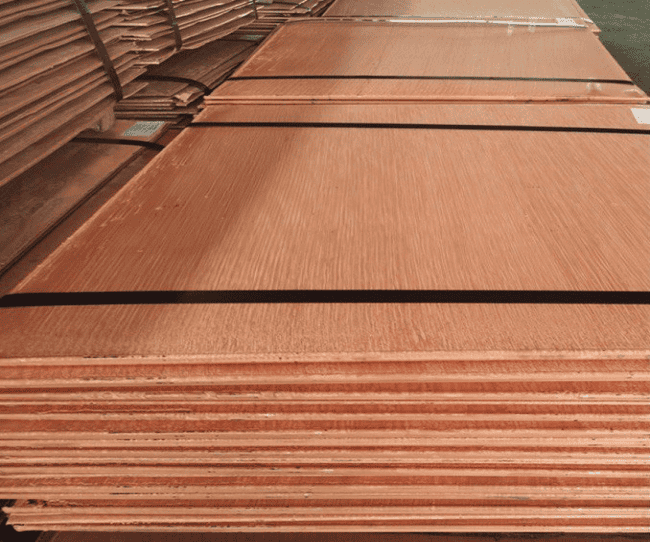
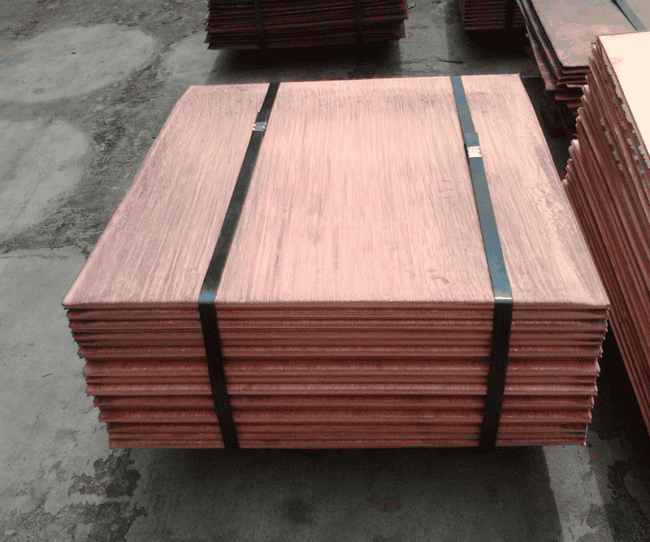
A copper cathode is a form of high-purity copper produced through the electrolytic refining of copper ore. These large, rectangular plates, with a typical purity of 99.99%, serve as the primary raw material for manufacturing a wide range of copper products.
Production process
The production of copper cathodes involves several stages, which differ depending on the type of copper ore (sulphide or oxide).
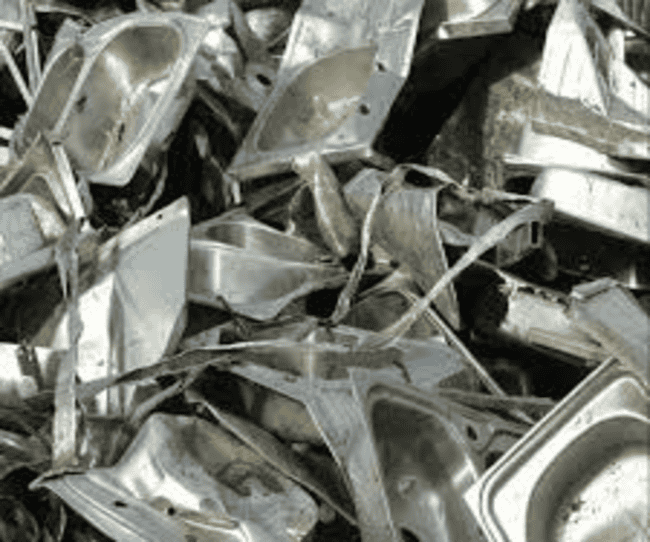
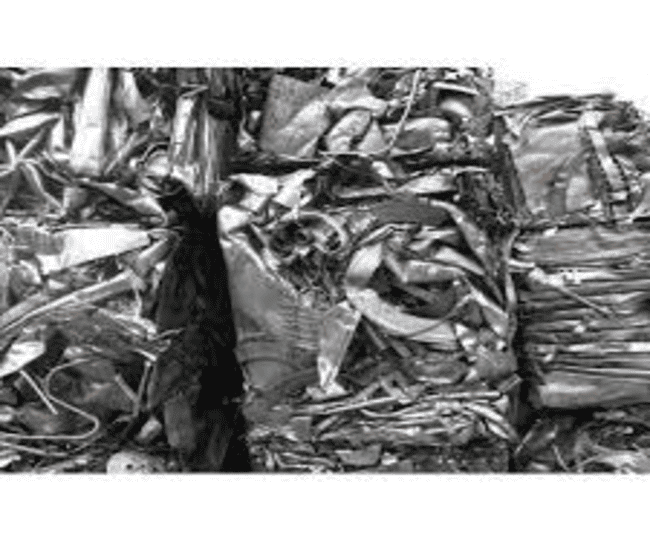
SS 304
Corrosion resistance: Grade 304 is composed of approximately 18% chromium and 8% nickel, which provides excellent resistance to corrosion.
Recyclability: It is 100% recyclable. Recycling stainless steel reduces the need for virgin materials and helps cut down on energy consumption during manufacturing.
High alloy content: The nickel and chromium content are valuable in the scrap metal market and fetch a higher price than common ferrous scrap.
SS 316
Composition
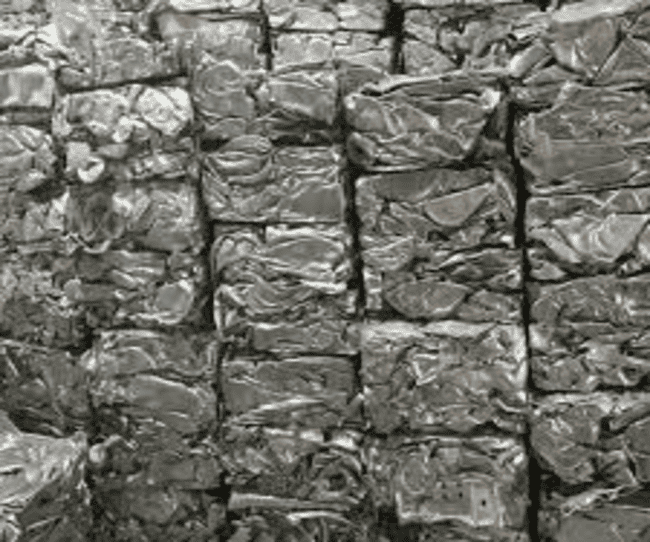
316 stainless steel contains 16–18% chromium, 10–14% nickel, and most importantly, 2–3% molybdenum. It is the added molybdenum that sets it apart from grade 304, providing superior resistance to chlorides and other corrosive chemicals.
Higher value
Because of its higher nickel content and the presence of molybdenum, 316 stainless steel scrap fetches a higher price than 304 grade.
Non-magnetic
As an austenitic stainless steel, grade 316 is non-magnetic. You can use a magnet to help confirm its non-magnetic properties, which distinguishes it from lower-value, magnetic stainless-steel grades like 430.
Testing for molybdenum
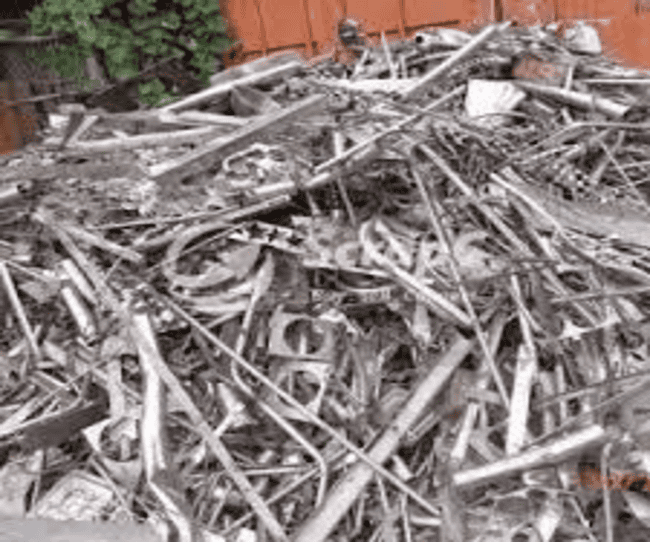
If you are unsure whether a piece of stainless steel is 304 or 316, you can purchase a molybdenum test kit. The test involves applying a testing solution that reacts with the molybdenum in 316, causing a brown stain to appear. If it is 304, there will be no reaction.
EXCLUSIVE COMMODITIES
Premium Global Products
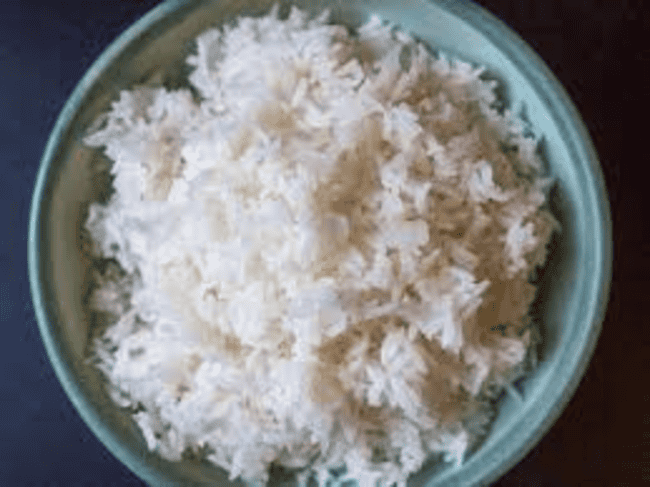
Jasmine Thai Rice
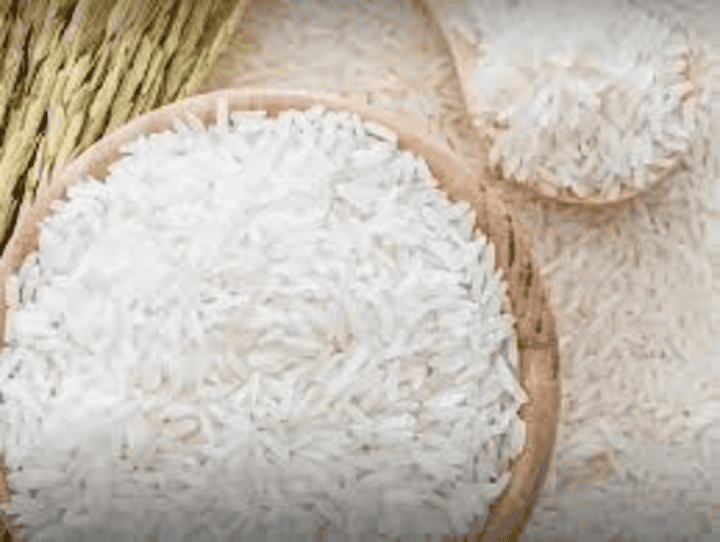
Thai Jasmine rice is a long-grain rice variety famous for its distinct floral aroma, soft texture, and slightly sweet flavour. It is a staple of Thai cuisine and an important export crop.
- Aroma: The signature fragrance is caused by the compound 2-acetyl-1-pyrroline, which is also found in pandan leaves. It is often described as resembling pandan or popcorn.
- Texture: When cooked, the grains are tender and moist with a soft, slightly sticky texture that clings together but is not as sticky as glutinous rice.
- Flavour: It has a subtle, nutty, and slightly sweet flavour.
- Appearance: Uncooked grains are long and slender. The term "Jasmine" likely refers to the color of the cooked rice, which is white like the jasmine flower, rather than the scent.
White Thai Jasmine rice is a source of carbohydrates, protein, and dietary Fiber. Whole-grain
brown jasmine rice offers additional nutrients and is a richer source of:
- Vitamins: Contains B vitamins like thiamin (B1), niacin (B3), and pyridoxine (B6), which help convert food into energy.
- Minerals: Includes magnesium, manganese, iron, and selenium.
- Antioxidants: Colourful varieties of jasmine rice contain phytonutrients and antioxidants that protect cells from damage.
Topson Global Group Company sources best quality Thai Jasmine Rice from the
renowned Thai Rice processing factories in Thailand, for export to various countries.
Sugar ICUMSA 45
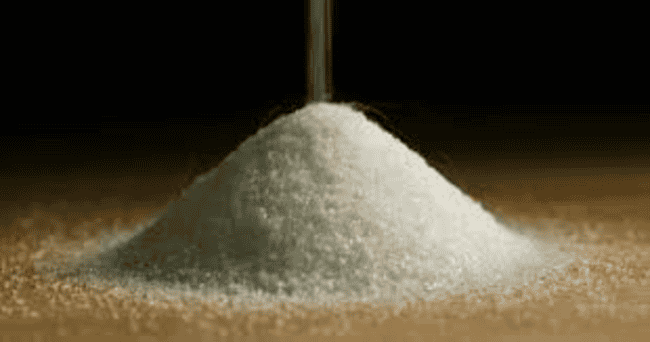
ICUMSA 45 Sugar is widely recognized as one of the highest-quality sugars available
on the market. Known for its exceptional purity and consistent white color, it is a
highly refined, granulated sugar suitable for various food and beverage industry
uses. ICUMSA Sugar undergoes stringent processing to ensure it meets the highest
standards, making it ideal for consumption and industrial applications. Its versatility
and quality make it a preferred choice for manufacturers, retailers, and consumers
worldwide.
Topson Global Group Company sources best quality Sugar from the renowned sugar
factories in Thailand, for export to various countries.
Industrial Grade Urea
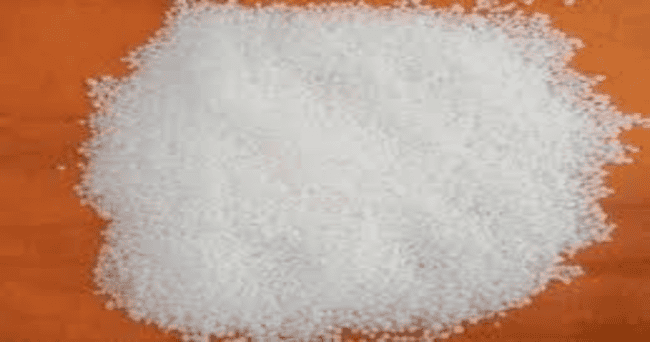
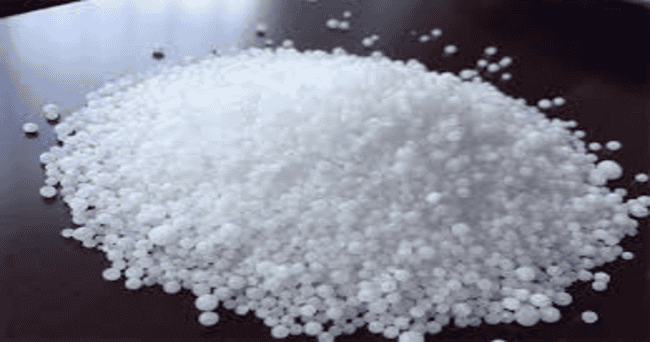
Industrial grade urea, also known as technical grade urea, is a refined form of the organic compound primarily used for non-agricultural industrial applications. Unlike agricultural-grade urea, which is often treated with chemicals for slower release as a fertilizer, industrial grade urea is processed to a higher level of purity. This higher purity and more consistent composition make it suitable for manufacturing processes with tight specifications.
- Appearance: A white crystalline solid or powder.
- Purity: Contains fewer impurities, especially lower levels of biuret, than agricultural grades. Biuret can be toxic to some plants and interfere with certain industrial reactions.
- Solubility: Highly soluble in water.
- Nitrogen content: High nitrogen content, typically around 46%.
- Hygroscopic: Readily absorbs moisture from the air.
Within the industrial category, even higher-purity grades exist for more sensitive uses:
- Automotive Grade Urea (DEF): A high-purity, 32.5% urea solution used in Selective Catalytic Reduction (SCR) systems to reduce nitrogen oxide (NOx) emissions in diesel engines.